DIGITAL MARKETING
Digital marketing is the practice of promoting products or services using online channels, digital devices, and internet-based platforms to reach and engage customers. It includes strategies such as search engine optimization (SEO), content marketing, social media marketing, email campaigns, and paid advertising on platforms like Google and Facebook. Unlike traditional marketing, digital marketing allows businesses to target specific audiences, track performance in real time, and adjust campaigns based on data and customer behavior. By combining creativity with analytics, digital marketing helps brands increase visibility, generate leads, build customer relationships, and drive sales in a highly competitive online environment.
What Is Digital Marketing? A Complete Guide for Beginners and Businesses
Digital marketing is the practice of promoting products, services, or brands using online channels and digital technologies. Unlike traditional marketing (TV, radio, newspapers), digital marketing allows businesses to reach specific audiences, track performance in real time, and adjust strategies quickly.
In today’s connected world, digital marketing is essential for businesses of all sizes — from startups to global brands like Amazon and Apple.
Digital Marketing Strategy
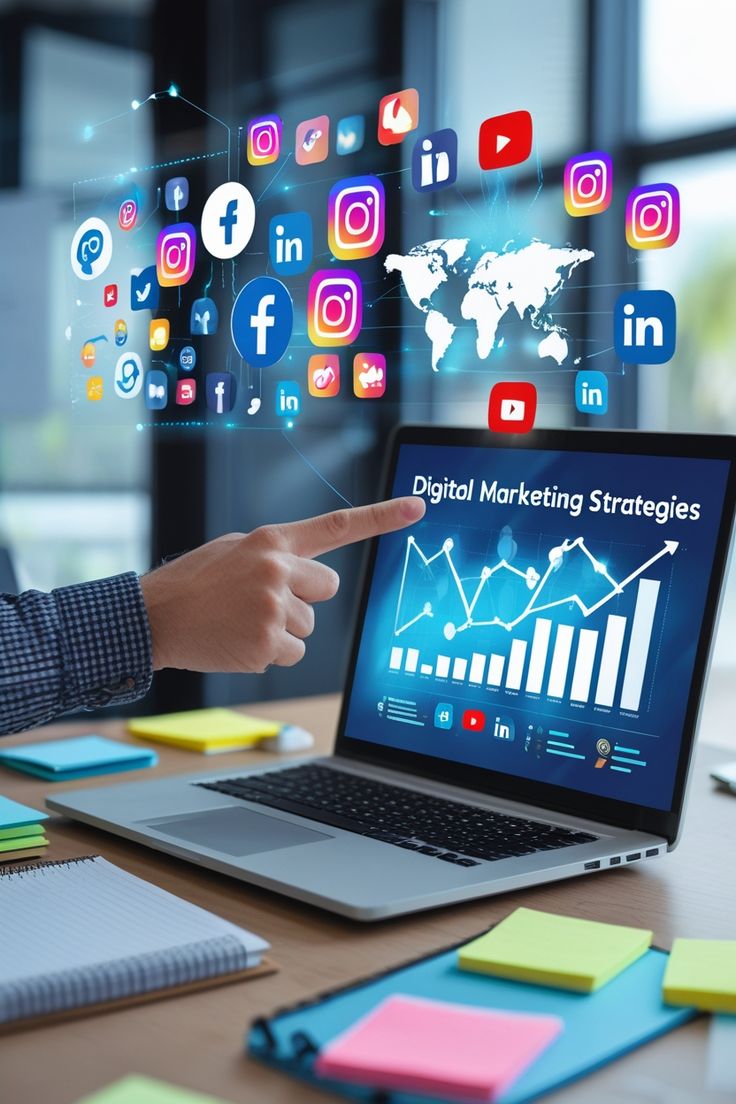
A digital marketing strategy is a structured plan that helps businesses achieve their goals using online channels such as search engines, social media, email, and paid advertising. It involves defining clear objectives, understanding the target audience, selecting the right platforms, creating valuable content, and tracking performance using tools like Google Analytics and Google Ads. A strong strategy ensures that marketing efforts are focused, measurable, and aligned with business growth, leading to better brand awareness, higher engagement, and increased sales.
Why Digital Marketing Is Important
1. Global Reach
You can reach audiences across the world through websites, social media, and search engines.
2. Cost-Effective
Compared to traditional advertising, digital campaigns often require smaller budgets and deliver measurable results.
3. Targeted Advertising
You can target people based on:
Age
Location
Interests
Online behavior
Purchase history
Platforms like Google and Meta allow precise targeting.
4. Measurable Results
Using tools like Google Analytics, marketers can track:
Website traffic
Conversion rates
Bounce rates
User behavior
TYPES OF DIGITAL MARKETING
1. Search Engine Optimization (SEO)
Optimizes websites to rank higher on search engines like Google
Focuses on keywords, meta tags, backlinks, website speed, and mobile usability
Attracts organic traffic and builds long-term visibility
Improves credibility and brand authority
2. Search Engine Marketing (SEM) / Paid Advertising
Uses paid ads to appear on top of search results
Platforms like Google Ads allow precise targeting
Ideal for quick traffic, leads, and conversions
Pay-per-click ensures you only pay for results
3. Social Media Marketing (SMM)
Promotes brands on platforms like Facebook, Instagram, LinkedIn, and TikTok
Involves posting content, running ads, and engaging with followers
Builds brand awareness, trust, and community
Encourages direct interaction with customers
4. Content Marketing
Creates valuable content like blogs, videos, podcasts, e-books, and infographics
Educates and entertains the audience
Improves SEO and drives organic traffic
Builds brand authority and nurtures leads
5. Email Marketing
Sends newsletters, promotions, and personalized messages using platforms like Mailchimp
Nurtures leads and retains customers
Encourages repeat purchases
Highly measurable and cost-effective
6. Affiliate Marketing
Partners with individuals or websites to promote products
Commissions are earned per sale, often through programs like Amazon
Performance-based, reducing upfront marketing costs
Expands brand reach to new audiences
7. Influencer Marketing
Collaborates with social media influencers on platforms like Instagram and YouTube
Leverages the influencer’s credibility to promote products
Builds authentic connections with audiences
Boosts brand awareness and trust
8. Video Marketing
Uses videos to explain products, share stories, or advertise
Platforms include YouTube, TikTok, and Instagram Reels
Increases engagement and conversion rates
Helps audiences understand products faster
9. Mobile Marketing
Targets users on smartphones and tablets
Channels include apps, SMS, push notifications, and mobile websites
Reaches customers anywhere at any time
Critical as most online activity happens on mobile devices
10. Online PR (Public Relations)
Builds a positive brand image online
Includes influencer outreach, press releases, guest posting, and online reviews
Enhances credibility and online visibility
Supports other marketing efforts by building trust
Difference Between Digital Marketing &Traditional Marketing
The Future of Digital Marketing
Digital marketing is constantly evolving. Trends shaping the future include:
Artificial Intelligence (AI)
Voice search optimization
Video marketing
Short-form content
Personalized advertising
Automation tools
Challenges Of Digital Marketing
High Competition – Millions of businesses compete for the same online audience.
Algorithm Changes – Platforms like Google and Instagram frequently update algorithms, affecting reach and rankings.
Increasing Advertising Costs – Paid ads are becoming more expensive.
Low Organic Reach – Social media platforms limit unpaid content visibility.
Lead Generation Difficulties – Getting traffic is easier than converting visitors into customers.
Measuring ROI – Tracking and proving return on investment can be complex.
Data Privacy Regulations – Strict data protection laws limit tracking and targeting.
Content Creation Pressure – Need for consistent, high-quality content.
Rapid Technology Changes – New tools, AI, and trends require constant learning.
Audience Trust Issues – Consumers are skeptical of online ads and promotions